
Exploring the dynamic landscape of Velocity Fintech Trends in Digital Lending, this article delves into the cutting-edge advancements shaping the borrowing experience. From real-time data processing to AI-driven innovations, discover how technology is reshaping the lending industry as we know it.
Overview of Velocity Fintech Trends in Digital Lending
Velocity Fintech in the realm of digital lending refers to the speed and efficiency at which financial technology is revolutionizing the lending process. By leveraging innovative technologies, financial institutions can streamline loan origination, underwriting, and approval processes, ultimately providing borrowers with faster access to funds.
Examples of Technological Advancements in Digital Lending
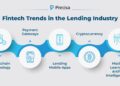
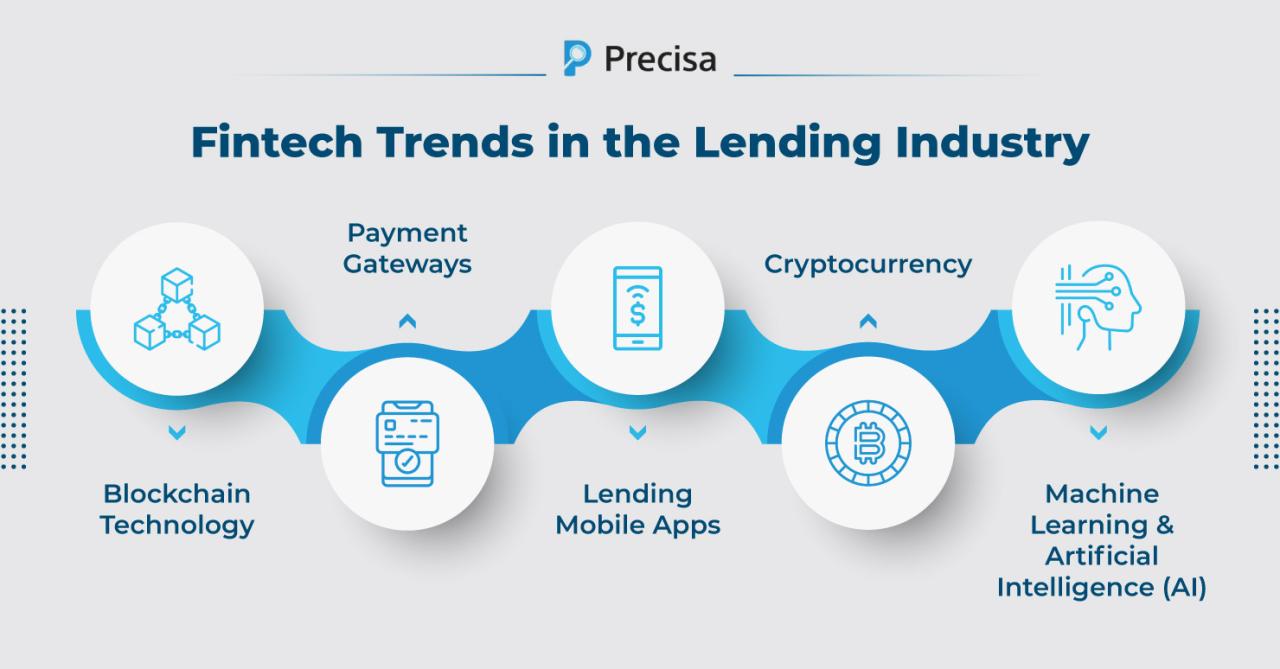
- Automated Loan Origination Systems: AI-powered algorithms analyze borrower data to make instant lending decisions, reducing the time required for manual processing.
- Blockchain Technology: Smart contracts enable secure and transparent loan transactions, eliminating the need for intermediaries and reducing processing times.
- Mobile Applications: Borrowers can apply for loans, submit documents, and receive funds directly through mobile apps, enhancing convenience and accessibility.
Significance of Real-Time Data Processing
Real-time data processing plays a crucial role in expediting digital lending processes by allowing lenders to assess borrower risk factors instantaneously. By analyzing real-time financial and credit information, lenders can make quick and accurate lending decisions, reducing turnaround times and enhancing customer satisfaction.
Role of AI and Machine Learning in Digital Lending Velocity
AI and machine learning technologies are revolutionizing digital lending by significantly improving the speed and accuracy of loan approvals. These advanced algorithms have transformed the traditional lending process, making it more efficient and seamless for both lenders and borrowers.Enhanced Credit Scoring and Risk Assessment
AI is being utilized in digital lending to enhance credit scoring and risk assessment processes. By analyzing vast amounts of data, AI algorithms can accurately predict the creditworthiness of applicants in real time. This not only speeds up the approval process but also ensures more accurate decision-making, leading to reduced default rates and improved overall loan portfolio performance.Impact of AI-powered Chatbots
AI-powered chatbots have become a game-changer in streamlining customer interactions and loan applications. These chatbots are equipped with natural language processing capabilities, allowing them to engage with customers in a personalized manner and provide instant assistance throughout the loan application process. By automating routine tasks and answering customer queries efficiently, AI-powered chatbots not only enhance customer experience but also help reduce operational costs for lenders.Mobile Technology and Digital Lending Velocity
Mobile technology has played a significant role in transforming the landscape of digital lending, enhancing accessibility and speed of services for users. With the rise of mobile apps, borrowers can now apply for loans conveniently from their smartphones, revolutionizing the traditional lending process.Mobile-First Strategies in Simplifying Loan Application Processes
- Mobile-first strategies prioritize the development of loan application processes tailored for mobile devices, ensuring a seamless and user-friendly experience for borrowers.
- By optimizing loan application forms for mobile screens, lenders can streamline the process, making it easier for users to input their information and submit applications efficiently.
- Features like document upload capabilities through mobile cameras and e-signatures further simplify the application process, reducing the time taken to complete loan applications.
Innovative Mobile Technologies Driving Growth of Digital Lending Platforms
- Integration of AI-powered chatbots in mobile apps allows borrowers to receive instant assistance and guidance throughout the loan application process, enhancing user experience and reducing the need for human intervention.
- Mobile wallets and payment gateways integrated into lending platforms enable quick disbursal of funds to borrowers, improving the speed and efficiency of loan processing.
- Biometric authentication features on mobile devices enhance security measures in digital lending, providing a secure platform for borrowers to access and manage their loan accounts.
Regulatory Challenges and Compliance in Accelerating Digital Lending
In the rapidly evolving landscape of digital lending, fintech companies face significant regulatory hurdles that can impact the speed and efficiency of their operations. Navigating compliance requirements while maintaining lending velocity is crucial for the success of these companies.Key Regulatory Hurdles
- Consumer Protection Laws: Fintech companies must comply with regulations such as the Truth in Lending Act (TILA) and the Fair Credit Reporting Act (FCRA) to protect borrowers from unfair practices.
- Privacy Regulations: Data protection laws like the General Data Protection Regulation (GDPR) in Europe and the California Consumer Privacy Act (CCPA) in the US impose strict requirements on the collection and use of personal information.
- Anti-Money Laundering (AML) and Know Your Customer (KYC) Requirements: Fintech firms must implement robust AML and KYC processes to prevent money laundering and terrorist financing.
Strategies for Compliance
- Implementing Robust Compliance Programs: Fintech companies can establish comprehensive compliance programs that include regular audits, training, and monitoring to ensure adherence to regulatory requirements.
- Utilizing Regtech Solutions: Leveraging regulatory technology (Regtech) can help automate compliance processes, improve efficiency, and reduce the risk of non-compliance.
- Collaborating with Regulatory Authorities: Building positive relationships with regulatory bodies and staying informed about regulatory changes can help fintech companies proactively address compliance challenges.
Balancing Speed and Compliance
- Automating Compliance Processes: Using AI and machine learning technologies can streamline compliance tasks, allowing fintech companies to maintain lending velocity without compromising regulatory adherence.
- Educating Employees: Providing ongoing training to staff members on regulatory requirements and best practices can help mitigate compliance risks while enabling quick decision-making.
- Regular Compliance Audits: Conducting regular compliance audits and assessments can identify potential gaps or issues, allowing fintech companies to address them promptly.
Ending Remarks
In conclusion, Velocity Fintech Trends in Digital Lending offers a glimpse into the future of borrowing, where speed, accessibility, and compliance converge to create a seamless lending ecosystem. As technology continues to evolve, the potential for transformative changes in the lending landscape remains limitless.
Helpful Answers
What role does mobile technology play in digital lending velocity?
Mobile technology enhances the accessibility and speed of digital lending services, making loan processes more efficient and convenient for borrowers on-the-go.
How does AI impact credit scoring in digital lending?
AI algorithms streamline credit scoring processes, enabling quicker and more accurate assessments for loan approvals, benefiting both lenders and borrowers.
What are the key regulatory challenges in accelerating digital lending operations?
Regulatory hurdles can influence the pace of digital lending, requiring fintech companies to navigate compliance requirements while maintaining operational velocity.