
Embark on a journey through the world of debt consolidation loans specifically tailored for those grappling with high credit card debt. Learn about the ins and outs of this financial tool and how it can help you regain control of your finances.
In the following paragraphs, we will delve into the key aspects of debt consolidation loans, from understanding their benefits to navigating the various types available in the market.
Introduction to Debt Consolidation Loans
Debt consolidation loans are financial tools designed to help individuals manage and pay off their debts more effectively. These loans are specifically used to consolidate multiple debts into a single, more manageable payment.
How Debt Consolidation Loans Work
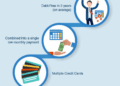
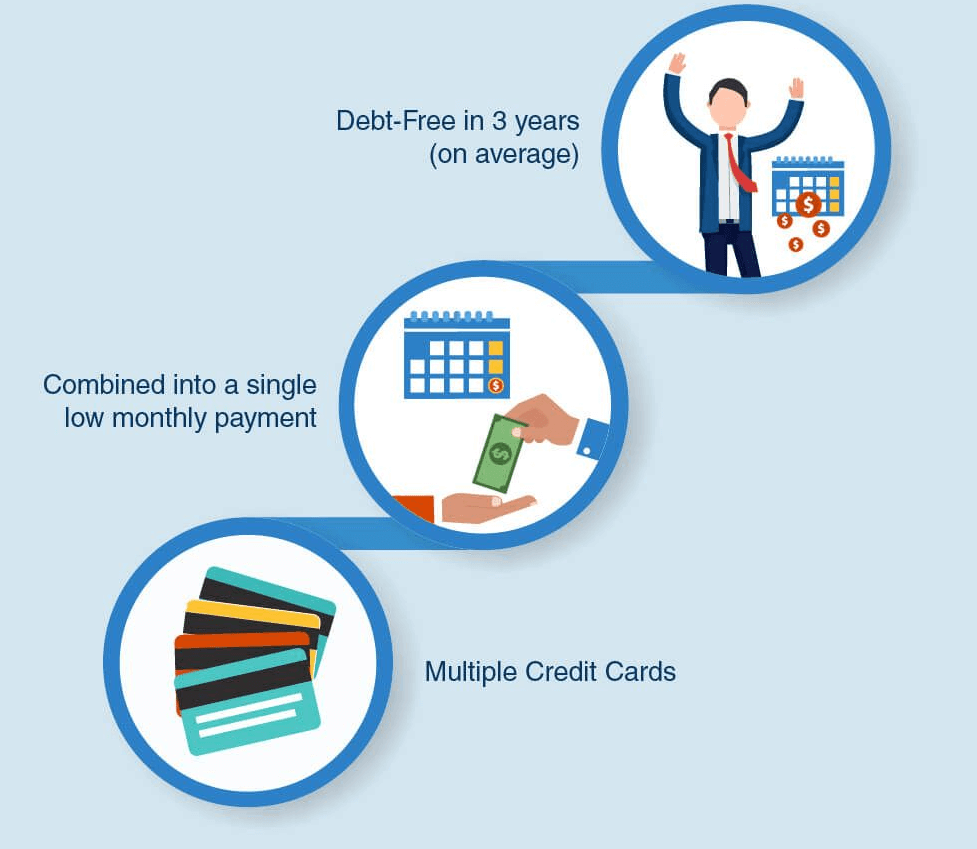
Debt consolidation loans work by combining all existing debts, such as high credit card balances, into one loan with a fixed interest rate and monthly payment. This simplifies the repayment process and can potentially lower the overall interest rate, saving money in the long run.
Benefits of Consolidating High Credit Card Debt
- Lower Interest Rates: Debt consolidation loans often come with lower interest rates compared to credit cards, reducing the total amount paid over time.
- Simplified Repayment: Instead of juggling multiple credit card bills with varying due dates and interest rates, consolidating high credit card debt into a single loan streamlines the repayment process.
- Potential Lower Monthly Payments: By extending the repayment term of the debt consolidation loan, borrowers may enjoy lower monthly payments, making it easier to manage finances.
- Improve Credit Score: Making consistent, on-time payments towards a debt consolidation loan can positively impact credit scores over time, as it shows responsible financial behavior.
Factors to Consider When Choosing a Debt Consolidation Loan
 When selecting a debt consolidation loan, it is crucial to consider various factors that can significantly impact your financial situation. From interest rates to loan terms and fees, each aspect plays a vital role in determining the effectiveness of your debt consolidation strategy.
Importance of Interest Rates in Debt Consolidation
Interest rates are a key factor to consider when choosing a debt consolidation loan. Lower interest rates can help you save money in the long run by reducing the overall cost of your debt. It is essential to compare interest rates offered by different lenders to find the best option that suits your financial needs. Additionally, a lower interest rate can lead to lower monthly payments, making it easier for you to manage your debt.Impact of Loan Terms on Monthly Payments
The loan terms, including the repayment period and monthly installment amount, can have a significant impact on your monthly budget. Longer loan terms may result in lower monthly payments, but you may end up paying more in interest over time. On the other hand, shorter loan terms can help you pay off your debt faster but may lead to higher monthly payments. It is essential to strike a balance between the loan term and monthly payments that align with your financial goals.Significance of Fees Associated with Debt Consolidation Loans
Apart from interest rates, it is essential to consider the fees associated with debt consolidation loans. These fees can include origination fees, balance transfer fees, and prepayment penalties. Be sure to carefully review and understand the fee structure of the loan to avoid any surprises. High fees can offset the benefits of consolidating your debt, so it is crucial to factor them into your decision-making process when choosing a loan.Types of Debt Consolidation Loans Available
 When considering debt consolidation options, there are several types of loans available to help manage and reduce high credit card debt. Understanding the differences between these options can help individuals make an informed decision based on their financial situation and goals.
Unsecured vs. Secured Debt Consolidation Loans
Unsecured debt consolidation loans do not require collateral, making them a popular choice for individuals with good credit scores. These loans are based on the borrower's creditworthiness and typically have higher interest rates compared to secured loans. On the other hand, secured debt consolidation loans are backed by collateral, such as a home or car, which can result in lower interest rates. However, failing to repay a secured loan can lead to the loss of the collateral.Fixed-Rate vs. Variable-Rate Loans
Fixed-rate debt consolidation loans have a set interest rate that remains constant throughout the loan term, providing predictability in monthly payments. Variable-rate loans, on the other hand, have interest rates that can fluctuate based on market conditions, potentially resulting in lower initial rates but higher payments in the future. Borrowers should consider their risk tolerance and ability to manage potential rate increases when choosing between fixed-rate and variable-rate loans.Specialized Options like Balance Transfer Credit Cards or Personal Loans
Balance transfer credit cards allow individuals to transfer high-interest credit card balances to a new card with a lower introductory or promotional interest rate. This can help save money on interest payments and simplify debt repayment. Personal loans are another option for debt consolidation, providing a lump sum of money that can be used to pay off multiple debts. Personal loans typically have fixed interest rates and repayment terms, making it easier to budget and plan for debt repaymentQualifying for the Best Debt Consolidation Loans
When applying for debt consolidation loans, there are several factors that lenders consider before approving your application. Improving your credit score, managing your income, and negotiating with lenders can help you qualify for the best debt consolidation loan terms.Improving Credit Score
Before applying for a debt consolidation loan, it's beneficial to improve your credit score. A higher credit score not only increases your chances of loan approval but also helps you secure better interest rates. You can improve your credit score by paying bills on time, reducing credit card balances, and checking your credit report for errors.
Income and Debt-to-Income Ratio
Your income plays a crucial role in the approval of a debt consolidation loan. Lenders assess your debt-to-income ratio, which is the percentage of your income that goes towards paying debts. A lower debt-to-income ratio demonstrates your ability to manage payments, making you a more favorable candidate for a loan. Increasing your income or reducing your debts can improve this ratio and increase your chances of approval.
Negotiating Loan Terms
When seeking a debt consolidation loan, don't hesitate to negotiate with lenders for better terms. You can request lower interest rates, longer repayment periods, or reduced fees. Providing a strong repayment plan and demonstrating financial stability can help you negotiate more favorable terms. Compare offers from different lenders and leverage them to secure the best deal that suits your financial situation.
Best Practices for Managing High Credit Card Debt After Consolidation
After consolidating your high credit card debt, it is crucial to adopt effective strategies to manage your finances and avoid falling back into debt. Here are some best practices to consider:
Effective Debt Repayment Strategies
It is essential to create a structured repayment plan to pay off your consolidated debt efficiently. Consider strategies such as:
- Setting a realistic budget to allocate funds towards debt repayment each month.
- Prioritizing high-interest debts to reduce overall interest payments.
- Automating payments to ensure timely and consistent debt repayments.
- Exploring debt snowball or avalanche methods to accelerate debt payoff.
Importance of Budgeting and Financial Planning
Proper budgeting and financial planning are key to maintaining financial stability post-consolidation. It is important to:
- Create a detailed budget outlining income, expenses, and debt repayment obligations.
- Track your spending to identify areas where you can cut back and allocate more funds towards debt repayment.
- Build an emergency fund to prevent reliance on credit cards for unexpected expenses.
Tips for Avoiding Future Credit Card Debt Accumulation
To prevent accumulating high credit card debt in the future, consider the following tips:
- Avoid unnecessary expenses and prioritize needs over wants.
- Limit the use of credit cards and opt for cash or debit payments whenever possible.
- Negotiate lower interest rates with credit card companies to reduce the cost of borrowing.
- Regularly review your financial goals and adjust your budget to stay on track.
Final Summary
As we conclude this discussion on the best debt consolidation loans for high credit card debt, remember that financial freedom is within reach with the right strategies in place. By consolidating your debts wisely and managing them effectively, you can pave the way towards a more secure financial future.
FAQ Summary
How can debt consolidation loans help with high credit card debt?
Debt consolidation loans can simplify multiple high-interest credit card payments into one manageable monthly payment, potentially reducing overall interest costs.
What factors should I consider when choosing a debt consolidation loan?
Consider interest rates, loan terms, and associated fees carefully to ensure you select a loan that aligns with your financial goals.
Are there alternatives to traditional debt consolidation loans?
Yes, options like balance transfer credit cards or personal loans can also help consolidate high credit card debt, each with its own pros and cons.
How can I avoid falling back into high credit card debt after consolidation?
Implement effective debt repayment strategies, create a budget, and practice prudent financial planning to steer clear of accumulating more credit card debt.