
Exploring the realm of Best Debt Consolidation Loans for Small Business Owners, this introduction sets the stage for an informative journey that dives deep into the intricacies of managing business debts effectively.
Detailing the various aspects of debt consolidation loans, this guide aims to provide valuable insights for small business owners looking to streamline their financial obligations.
Understanding Debt Consolidation Loans for Small Business Owners
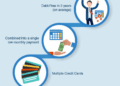
Debt consolidation loans are financial tools that allow small business owners to combine multiple debts into a single loan with a lower interest rate. This can simplify the repayment process and potentially save money on interest payments.
Examples of Situations Where Small Business Owners may Benefit
- Small business owners with multiple high-interest loans from different creditors can benefit from consolidating these loans into one with a lower overall interest rate.
- Business owners facing cash flow issues due to high monthly payments on various debts can benefit from debt consolidation to reduce their monthly payment obligations.
- Entrepreneurs looking to simplify their financial management by having only one loan to track and manage may find debt consolidation loans beneficial.
Potential Advantages and Disadvantages of Debt Consolidation Loans
Advantages:
- Lower interest rates can lead to potential savings on interest payments over time.
- Consolidating debts into one loan can simplify financial management for small business owners.
- Reduced monthly payments can improve cash flow and provide breathing room for the business.
Disadvantages:
- Some debt consolidation loans may come with fees or closing costs that need to be factored into the overall cost.
- Extending the repayment term may result in paying more interest over the life of the loan.
- If the business owner fails to address the root cause of the debt accumulation, they may end up in a worse financial situation.
Types of Debt Consolidation Loans Available
Debt consolidation loans come in various types, each catering to different needs and financial situations of small business owners. It is crucial to understand the options available to make an informed decision that best suits your business requirements.Secured Debt Consolidation Loans
Secured debt consolidation loans are backed by collateral, such as business assets or property. These loans typically offer lower interest rates due to the reduced risk for lenders. However, small business owners should be aware that defaulting on a secured loan could result in the loss of the collateral.Unsecured Debt Consolidation Loans
Unsecured debt consolidation loans do not require collateral, making them a less risky option for small business owners. However, these loans usually come with higher interest rates to compensate for the increased risk to lenders. Small businesses with strong credit scores may qualify for better terms on unsecured loans.Eligibility Criteria for Small Business Owners
Small business owners seeking debt consolidation loans must meet certain eligibility criteria, which may vary depending on the lender. Common requirements include a minimum credit score, proof of income, business financial statements, and a solid repayment plan. It is essential to have a clear understanding of your financial standing and business needs before applying for a debt consolidation loan.Factors to Consider When Choosing the Best Debt Consolidation Loan
When looking for the best debt consolidation loan for your small business, there are several key factors that you should take into consideration. It's important to compare different loan offers to find the most suitable one that fits your financial needs and goals.Interest Rates
Interest rates play a crucial role in determining the overall cost of the loan. Lower interest rates can save you money in the long run, so it's essential to look for loans with competitive rates. Be wary of variable interest rates that can fluctuate over time and potentially increase your repayment amount.Repayment Terms
Understanding the repayment terms is vital when choosing a debt consolidation loan. Consider the length of the loan term, the monthly repayment amount, and whether there are any prepayment penalties. Longer loan terms may result in lower monthly payments but could cost you more in interest over timeFees and Charges
In addition to interest rates, be sure to check for any fees and charges associated with the loan. These may include origination fees, late payment fees, or early repayment fees. Factor in these additional costs when comparing loan offers to get a clear picture of the total expense.Loan Amount and Eligibility
Evaluate the maximum loan amount that you can qualify for and whether it meets your business's debt consolidation needs. Check the eligibility criteria set by the lender, such as credit score requirements, annual revenue thresholds, and time in business. Make sure you meet these criteria before applying for a loan.Loan Repayment Flexibility
Consider the flexibility of the loan repayment options offered by different lenders. Some lenders may allow you to choose between fixed or variable interest rates, offer deferment options in case of financial hardship, or provide the ability to make extra payments without penalties. Opt for a loan that aligns with your business's cash flow and financial goals.Loan Terms and Conditions
Read the fine print of the loan agreement carefully to understand all the terms and conditions associated with the loan. Pay attention to any clauses regarding default, late payments, or changes in interest rates. Make sure you are comfortable with the terms before committing to a debt consolidation loan.Application Process and Approval for Debt Consolidation Loans
 When small business owners decide to apply for debt consolidation loans, they need to be aware of the typical application process and how lenders evaluate their eligibility. This involves submitting specific documentation and information to support their loan application.
Documentation and Information Required
- Business Financial Statements: Lenders typically require recent financial statements, including income statements, balance sheets, and cash flow statements, to assess the financial health of the business.
- Debt Information: Detailed information about existing debts, including outstanding balances, interest rates, and monthly payments, is crucial for lenders to understand the current debt situation.
- Personal Financial Statements: Small business owners may need to provide personal financial statements to demonstrate their ability to repay the consolidated loan.
- Tax Returns: Recent business and personal tax returns are often required to verify income and assess the business's tax obligations.
Evaluation of Eligibility and Loan Approval
- Credit Score: Lenders consider the credit score of the business owner and the business itself to determine creditworthiness and assess the risk of default.
- Debt-to-Income Ratio: The debt-to-income ratio is a critical factor in evaluating eligibility, as it indicates the ability to manage additional debt payments.
- Cash Flow: Positive cash flow is essential for loan approval, as it demonstrates the business's ability to generate enough revenue to cover expenses and debt obligations.
- Collateral: Some lenders may require collateral to secure the loan, especially for larger loan amounts or riskier borrowers.
Last Recap
In conclusion, navigating the landscape of debt consolidation loans can be a game-changer for small business owners seeking financial stability and growth. By understanding the nuances of these loans, entrepreneurs can make informed decisions to propel their businesses forward with confidence.
Top FAQs
What are the key advantages of debt consolidation loans for small business owners?
Debt consolidation loans can help simplify multiple debt payments into one, potentially lower interest rates, and improve cash flow management for small businesses.
What types of debt consolidation loans are suitable for small business owners?
Small business owners can opt for secured or unsecured debt consolidation loans based on their financial needs and risk tolerance levels.
How can small business owners compare different loan offers effectively?
To compare loan offers effectively, small business owners should analyze interest rates, repayment terms, fees, and overall costs to determine the most suitable option for their business.